



Introduction: Artificial Intelligence and Subway Systems
Artificial intelligence and subway systems: For decades, subway systems kept the world’s major cities ticking over. Who could imagine New Your City without the subway or London without the tube? Cities like Singapore and Shanghai would likely come to a standstill without their highly efficient subways systems.
What are smart cities?
The coronavirus pandemic put a temporary halt on public transport, including subway systems. As citizens were asked to stay at home and companies introduced remote working, these arteries underneath our cities became quiet. As the world opens up again, subway systems are once again becoming critical in cities around the world.
Source: YouTube
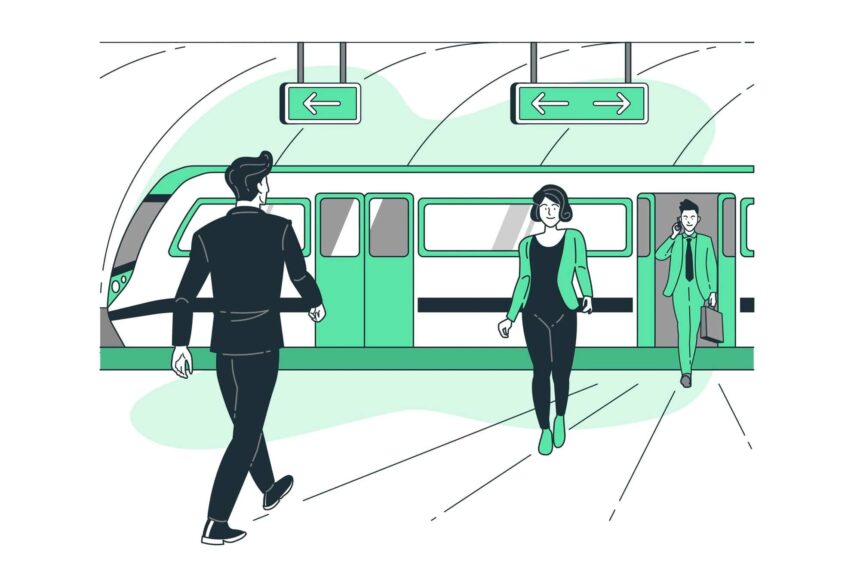
When a train arrives, passengers struggle to alight. More passengers push in, and then the doors will no longer close because someone’s jacket sleeve got stuck. Cue opening and closing of doors, leading to wasted time.
Source: YouTube
Agricultural Robots.
AI can take this concept further. Understanding how passengers use the cars, how many seats are required, and how much standing space allows managers to put the most suitable cars on a line.
AI and Predictive Maintenance
Predictive maintenance is no longer a pipe dream for Hong Kong’s subway engineers. Operator MTR has been using an algorithm to schedule nightly engineering works and maintenance crews since 2014.
Source: YouTube
AI and Weapons Of The Future
Conclusion: Artificial Intelligence and Subway Systems
Subway systems are critical to effective transportation in the world’s major cities. AI technology can help the trains run on time by optimizing schedules, routes, and connections. Algorithms help predict and schedule maintenance, creating a better experience for travelers around the world.